The Birthplace Lottery: Why Your Passport Is a Political Tool
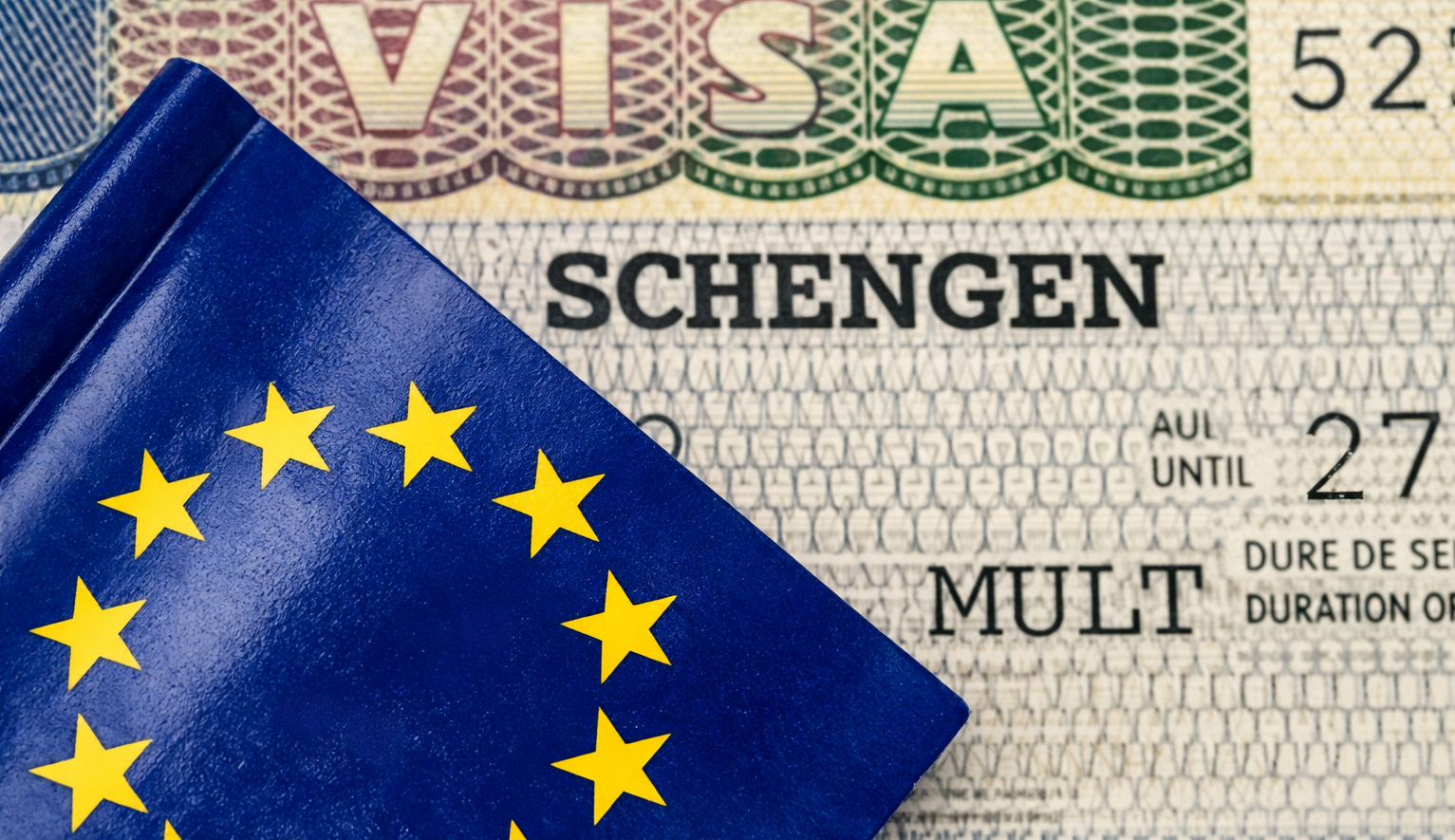
For some, international travel is as simple as booking a flight. For others, it is a months-long battle with bureaucracy. This disparity isn’t accidental; it is the result of decades of geopolitical maneuvering, economic data, and security agreements. In 2026, your passport power rankings are the ultimate reflection of your country’s standing on the world stage.
The Economic Engine of Mobility
The primary driver of a “strong” passport is economic stability. Wealthy nations grant visa-free access to other wealthy nations because their citizens are seen as “low-risk” travelers who will spend money and return home. Conversely, countries with lower GDPs often face higher visa rejection rates because immigration officers fear “economic migration”—the risk that a traveler will overstay to seek work.
Reciprocity: The “You Scratch My Back” Rule
Global mobility is often built on the principle of reciprocity. If Country A allows citizens of Country B to enter visa-free, Country B is expected to do the same. When a country suddenly imposes new visa requirements, it is often a political “tit-for-tat” response to a perceived slight or a change in diplomatic relations.
Data Insight: The Security and Overstay Metric
Governments track “overstay rates” with clinical precision. If a significant percentage of travelers from a specific nation overstay their visas in the U.S. or the Schengen Area, that nation’s passport power will inevitably drop. In 2026, automated systems like ETIAS and EES provide real-time data that can trigger a sudden shift in visa interview waiver rules for entire nationalities.
Real-World Context: The Cost of a “Weak” Passport
A weak passport doesn’t just mean more paperwork; it means missed opportunities. An entrepreneur from a lower-ranked nation might miss a global tech summit because of U.S. visa wait times. A student might lose their scholarship because of a delay in Schengen visa processing time. For these travelers, the “visa wall” is a tangible barrier to professional and personal growth.
Common Misconceptions About Passport Power
Many believe that a passport’s strength is based on the “friendliness” of a country. In reality, a country can be a popular tourist destination but still have a weak passport if its citizens are considered a migration risk. Another misconception is that passport power is permanent; in reality, rankings shift every year based on new security treaties and economic shifts.
Practical Guidance: Navigating a Weak Passport
If you hold a passport with limited visa-free access, you must become a master of the visa application process:
- Build a Travel History: Start by visiting “easier” countries to build a record of compliance.
- Document Everything: Since you face higher scrutiny, your “ties to home country” must be undeniable.
- Apply Early: Never underestimate the visa processing time; a weak passport requires a 6-month head start on any major trip.
Expert Insight: The “Trust Score” of Nations
Visa officers essentially assign a “trust score” to every applicant. When you come from a country with a high passport power ranking, you start with a high trust score. When you come from a “weak” passport country, you start at zero and must use your dossier to prove your credibility. This is why avoiding visa interview mistakes is so much more critical for travelers from the Global South.
Conclusion: Mobility as a Human Right vs. Political Privilege
While we like to think of travel as a universal freedom, the reality of 2026 is that mobility remains a political privilege. Understanding the “why” behind your passport’s strength allows you to navigate the system more effectively. By preparing a bulletproof application, you can overcome the limitations of your birthplace and claim your place on the global stage.
FAQ Section
What determines a country’s passport power ranking?
Passport strength is determined by diplomatic relations, reciprocal visa-free agreements, economic stability, and the historical “overstay rate” of a country’s citizens in foreign territories.
- Why do some countries have very high visa rejection rates?
High rejection rates are usually tied to “migration risk.” If a country has high unemployment or political instability, foreign consulates are more likely to suspect that applicants intend to stay and work illegally.
- Can a weak passport become strong over time?
Yes. Countries like South Korea and the UAE have seen massive jumps in their rankings over the last decade by signing security treaties, improving their economies, and maintaining strict border controls.
- Does having a U.S. visa make my passport “stronger”?
While it doesn’t change your passport’s official ranking, having a valid U.S. or Schengen visa acts as a “trust signal” to other countries, often making it easier to get future visas approved.
- What is the most common visa interview mistake for weak passport holders?
The biggest mistake is failing to provide “verifiable” ties to the home country. Officers need to see more than just a job letter; they want to see property, family, and a history of returning from previous trips.
- How does the Schengen visa processing time differ for weak passports?
Travelers with weak passports often face the full 15-to-45-day processing window because their applications require manual background checks and “consultation” between multiple EU member states.
👉 If you’re preparing for a visa interview and want a structured review of your case before your appointment, visitwww.voyaapp.co for proper guidance before stepping into that room.